Marine Advisory: 08/2012 - Entry into Effect of North American Emission Control Area (ECA) under MARPOL Annex VI
03 May 2012
Marine Advisory 08/2012
This document is archived. It is kept for reference and may have been superseded.
03 May 2012
Marine Advisory: 08/2012
SUBJECT: Entry into Effect of North American Emission Control Area (ECA) under MARPOL Annex VI
Ref: (a) Resolution MEPC. 190(60)
- MEPC.1/Circ.723
- MARPOL Annex VI, Regulation 13.6 and 14.3
- MARPOL Annex VI, Appendix VII
- Resolution MEPC. 182(59)
- Marine Notice POL-009 Dear Shipowner/Operator:
The sea area out to the boundary of the Exclusive Economic Zone of the coasts of the United States and Canada was designated as the North American ECA for reduction of Nitrogen oxides (NOx), Sulphur oxides (SOx) and Particulate Matter (PM) emissions under Regulations 13 and 14 of MARPOL Annex VI in August 2010 and entered into force on 1 August 2011. Ships entering the North American ECA shall comply with lower emissions standards when transiting the area starting 1 August 2012.
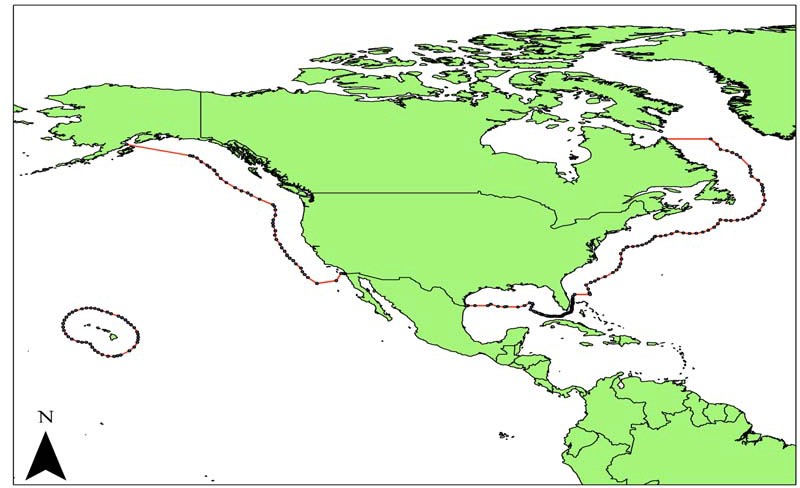
The North American ECA covers three distinct areas:
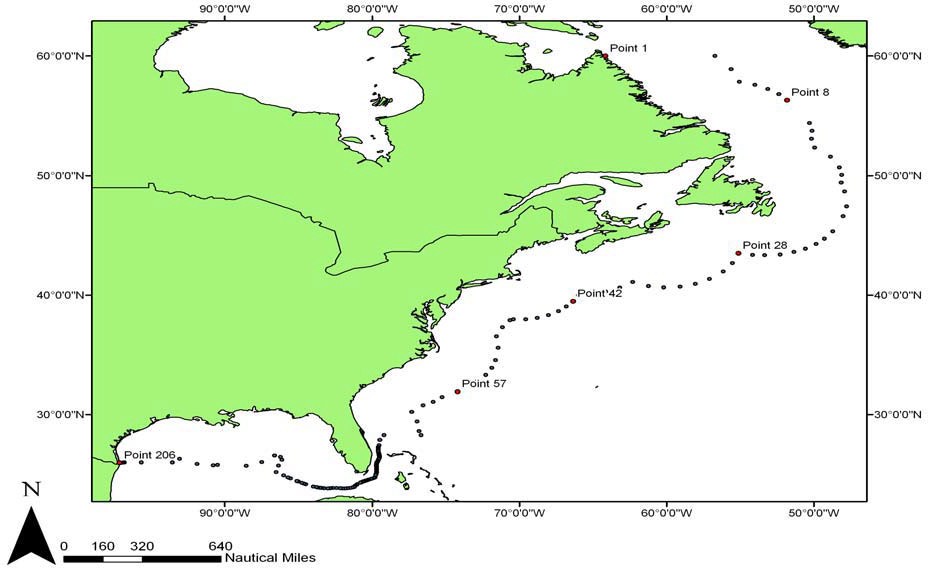
- Off the North American Atlantic/Gulf Coasts;
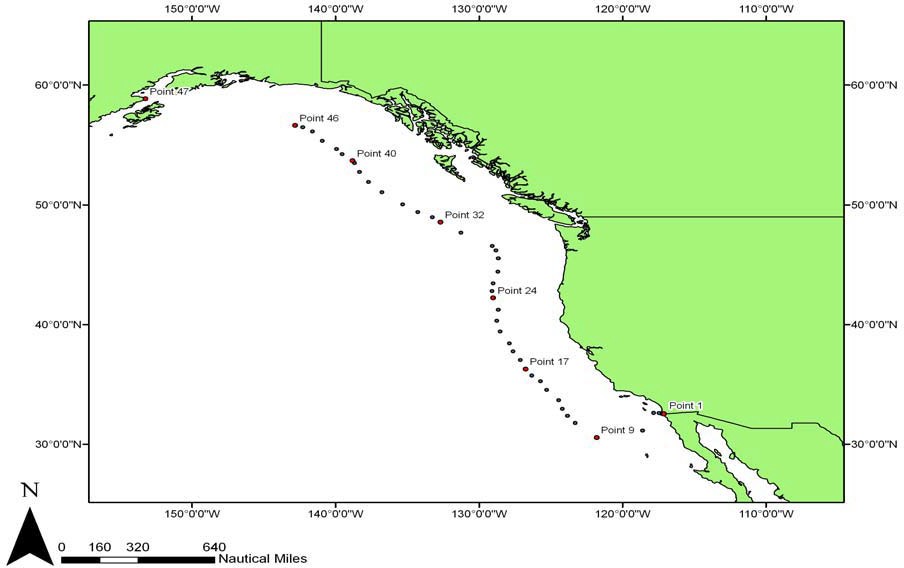
- Off the North American Pacific coast; and
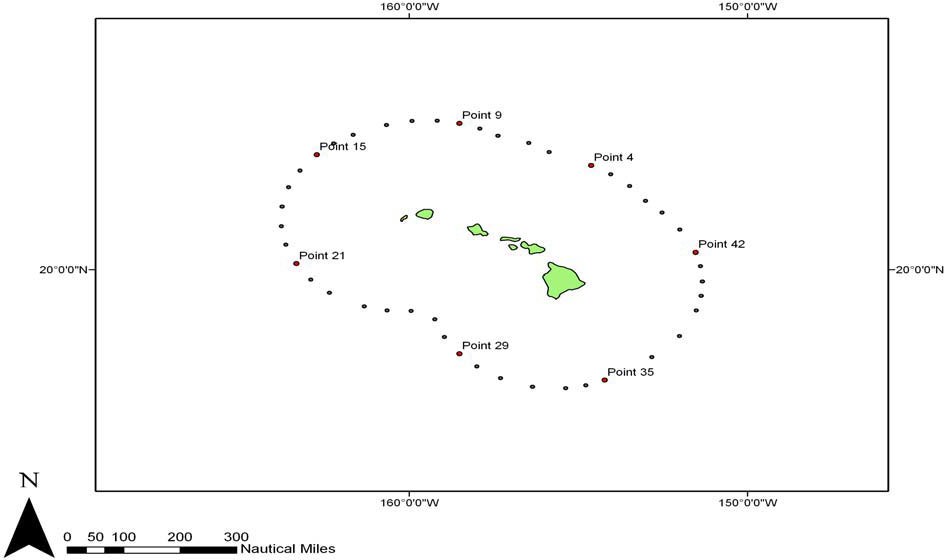
- Around certain parts of Hawaii.
It also includes the St. Lawrence Seaway, the Great Lakes and rivers (such as Mississippi) which are accessed by international shipping. The new appendix VII to MARPOL Annex VI contains the definition and boundaries with full coordinates of the North American ECA. Diagrams showing geographical distribution of the North American ECA are set out in Annex 1 to this Advisory, and the full list of coordinates may be found in the new Appendix VII to MARPOL Annex VI, reference
(d) above.
The lower emission standards are already in effect from 1 July 2010, for existing Baltic Sea and North Sea ECAs, including the requirements for recording data on entry and exit.
Requirements within ECA: While ships are operating in the North American ECA, the sulphur content of fuel oil used on board ships shall not exceed 1.00% m/m on and after 01 August 2012, and 0.10% m/m on and after 1 January 2015.
Ships constructed on or after 1 January 2016 shall comply with the NOx emission limits specified in regulation 13.5.1.1 of MARPOL Annex VI, when operating within the North American ECA.
Operational Requirements: Ships using separate fuel oils entering or leaving an ECA must carry a written procedure showing how the fuel oil change-over is to be done, allowing sufficient time for the fuel oil service system to be fully flushed of all fuel oils exceeding the applicable sulphur content prior to entry into an ECA. The volume of low sulphur fuel oils in each tank as well as the date, time, and position of the ship when any fuel-oil-change-over operation is completed prior to the entry into an ECA or commenced after exit from such an area, shall be recorded in the engineering log book or other record book suitable for that purpose.
Operational Guidance: Low and high sulphur fuel has to be stored in different tanks. Different grades of cylinder oils may have to be carried if operating with low sulphur fuel for any length of time to prevent excessive calcium deposits and resultant liner wear. If low sulphur fuels are used, high wear rates may be experienced with fuel injection equipment.
Fuel Oil Quality: In addition to requirements limiting the sulphur content of fuel oil, MARPOL Annex VI contains requirements preventing the incorporation of potentially harmful substances, and in particular waste streams (e.g. chemical waste), into fuel oils.
Bunker delivery notes must be kept on board for a minimum of three (3) years and must contain the following information:
- Name and IMO number of receiving ship;
- Bunkering Port;
- Date of commencement of delivery;
- Name, address, and telephone number of marine fuel oil supplier;
- Product name(s);
- Quantity in metric tons;
- Density at 15oC, Kg/m3; and
- Sulphur content (% m/m)
A signed declaration from the fuel oil supplier(s) representative that the fuel supplied has a sulphur level below 1.0% m/m and that the fuel is free from inorganic acid and does not include any added substance or chemical waste which either jeopardizes the safety of ships, adversely affects the performance of the machinery, is harmful to personnel, or contributes overall to additional air pollution is also required.
The bunker delivery note shall be accompanied by a representative sample of the fuel oil delivered taking into account guidelines developed in Resolution MEPC.182 (59), reference (e) above. The sample is to be sealed and signed by the supplier’s representative and the master or officer in charge of bunker operation on completion of bunkering operations and retained under ship’s control until the fuel oil is substantially consumed, but in any case for a period of not less than 12 months from the time of delivery.
Questions regarding this Advisory should be directed to Safety Department at +1 703 251 2469 or safety@liscr.com
Annex 1
GEOGRAPHICAL DISTRIBUTION OF THE NORTH AMERICAN EMISSION CONTROL AREA
- General view of the North American Emission Control Area
- Magnified view of the Pacific Coast
- Magnified view of the Atlantic coast and the Gulf of Mexico coast
- Magnified view of the Hawaiian Islands